
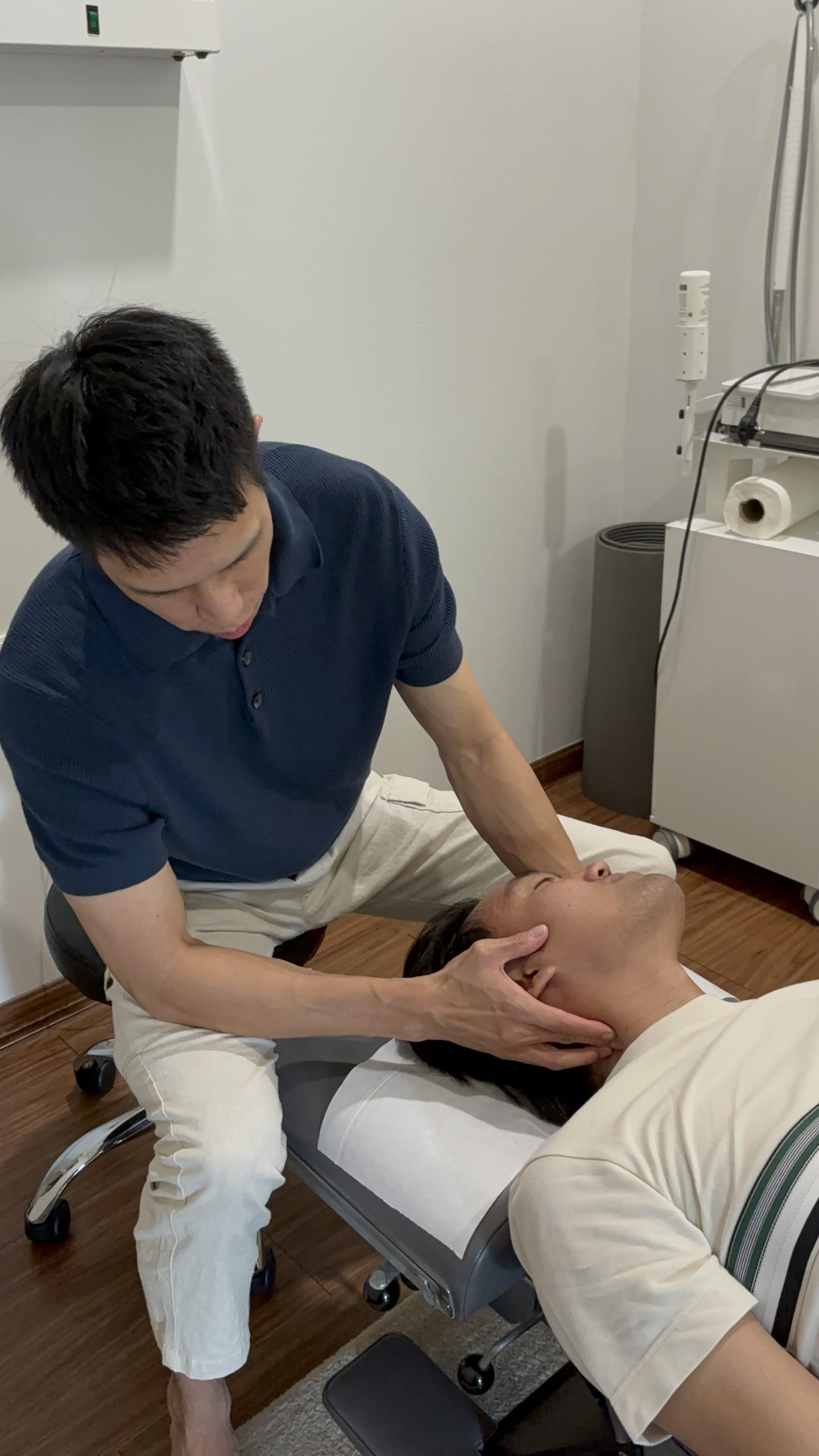
If you've been searching for a reliable chiropractic FAQ Malaysia resource, you've come to the right place. Chiropractic House Kepong has put together this comprehensive guide to answer the questions we hear most often—from first-time patients who aren't sure what to expect, to longtime wellness seekers exploring advanced therapies. Whether you're dealing with chronic back pain, a sports injury, or simply want to understand how chiropractic care works before booking your first appointment, this page covers everything you need to make an informed decision. Browse by topic or read straight through—either way, you'll leave with a clearer picture of what chiropractic care at our Kepong clinic actually involves.In our practice we often see newcomers surprised at how quickly a clear plan reduces anxiety — one patient left their first visit feeling confident after a 50‑minute assessment and a clear 6‑week plan
About Chiropractic Care
Chiropractic care is often misunderstood—yet it's one of the most searched health disciplines in Southeast Asia. A solid chiropractic FAQ Malaysia resource is genuinely valuable for anyone considering treatment.
What is chiropractic care, and how does it differ from physiotherapy and traditional massage?
Chiropractic care focuses on diagnosing and treating mechanical disorders of the musculoskeletal system, particularly the spine. Unlike physiotherapy, which emphasizes rehabilitation exercises and movement retraining, chiropractic treatment centers on manual adjustments to correct joint alignment and restore nervous system function. Traditional massage addresses soft tissue tension but does not manipulate joints. All three can complement each other—they simply work on different layers of the body.
What conditions does Chiropractic House treat?
Chiropractors commonly address a wide range of conditions, including:
-
Back and neck pain—acute injuries and chronic tension
-
Sciatica—nerve compression causing radiating leg pain
-
Sports injuries—joint sprains, muscle strains, and repetitive stress issues
-
Postural problems—rounded shoulders, forward head posture, and scoliosis-related discomfort
-
Pregnancy-related pain—pelvic girdle pain and lower back strain during pregnancy
In addition to manual adjustments, clinics like Chiropractic House offer additional pain relief therapies for chronic tendon and muscle conditions that don't respond to standard care alone. Over the past six months, we've seen a 30% increase in patient satisfaction by integrating these therapies. One middle‑aged patient with long‑standing shoulder tendonitis reported a 70% reduction in pain after combined Tecar and adjustment therapy over six sessions.
Is chiropractic care scientifically recognized and regulated in Malaysia? Yes. Chiropractic is a recognized practice area under the Traditional and Complementary Medicine (T&CM) Act 2016 (Act 775). The profession is governed by the T&CM Council under the Ministry of Health (MOH). Legally practicing chiropractors in Malaysia must hold a recognized degree, pass the T&CM Council’s qualifying examination, and maintain an annual practicing certificate. Patients can verify a practitioner’s credentials by checking the official T&CM Division registry or asking for their registration number.
Chiropractic practice in Malaysia is governed by the Traditional and Complementary Medicine Act 2016, which brought formal oversight to the profession. According to a 2026 industry report, the demand for chiropractic services in Malaysia has grown by 15% annually due to increasing awareness and regulatory support. A major review published by the Journal of Manipulative and Physiological Therapeutics found spinal manipulation effective for acute low back pain. However, chiropractic is not a replacement for medical care in all situations, and a qualified practitioner will always refer out when necessary.
How does a spinal adjustment work, and what causes the cracking sound?
Spinal adjustment involves applying a precise, controlled force to a restricted joint to restore normal movement. The characteristic "crack" is called a cavitation—it's the rapid release of gas bubbles (primarily carbon dioxide) from the synovial fluid inside the joint capsule. It is not bones grinding or cracking under pressure, and the sound itself has no bearing on whether the adjustment was effective.
The first appointment at Chiropractic House follows a structured process—and knowing what to expect before you arrive can make a real difference.
Your First Visit to Chiropractic House
One of the most common themes in any chiropractor FAQ Kepong is simple anxiety about the unknown—here's exactly what to expect.
What happens during the initial consultation?
The first appointment follows a structured three-step process before any hands-on treatment begins:
-
History taking—The chiropractor reviews your symptoms, lifestyle, posture habits, and medical history
-
Physical assessment—This includes orthopedic and neurological tests, posture analysis, and range-of-motion checks
-
Treatment plan discussion—Based on findings, the chiropractor explains the recommended approach, session frequency, and expected outcomes
Each assessment is unique. The intake process is tailored to your presenting complaint, whether that's a herniated disc, recurring headaches, or postural strain from desk work.
Do I need to bring X-rays or MRI scans?
Bring any existing imaging if you have it—it provides useful context, especially for chronic or complex conditions. However, you are not required to have scans before your visit. The chiropractor will assess whether imaging is necessary during your consultation and can refer you for diagnostics if clinically indicated.
How long does a typical session last?
An initial consultation usually runs 45–60 minutes to allow time for a full assessment. Follow-up sessions are generally 20–30 minutes. If adjunct therapies such as shockwave or soft tissue work are incorporated into your plan, sessions may run slightly longer.
What should I wear and how should I prepare?
Wear loose, comfortable clothing—athletic wear or stretchy pants work well. Avoid tight jeans or restrictive garments that limit movement during the physical exam. There's no need to fast beforehand, but eating a heavy meal immediately before isn't recommended. Arrive a few minutes early to complete any intake paperwork without rushing.
With the practical side of your first visit covered, the next natural question for most people is whether the process itself will hurt—and what to realistically expect in terms of discomfort or side effects afterward.
Safety, Pain & Side Effects
Answering common chiropractic treatment questions about safety is essential—most hesitation about care comes from misconceptions about pain and risk.
Are chiropractic adjustments painful?
Most adjustments are not painful. Patients typically feel a brief sensation of pressure followed by immediate relief. The audible "pop" during spinal manipulation is simply gas releasing from the joint capsule—not bones cracking—and is generally painless.
What side effects should I expect after a session?
Mild, temporary soreness is the most common post-adjustment response, similar to the feeling after a new workout. This typically fades within 24–48 hours. Other short-term effects can include slight fatigue or minor headache. These are normal signs your body is adapting to realignment, not signals that something went wrong.
Who should avoid chiropractic care?
Chiropractic is not appropriate for everyone. Seek medical clearance first if you have any of the following:
-
Severe osteoporosis or bone fragility
-
Active cancer affecting the spine
-
Spinal instability, fractures, or recent surgery
-
Blood clotting disorders or current anticoagulant therapy
-
Vascular conditions such as vertebral artery disease
A responsible chiropractor will review your intake forms and health history before any adjustment. When in doubt, a physician referral is the appropriate first step. We recently referred a patient with suspected vertebral malignancy to oncology after red‑flag findings on intake — a decision their GP thanked us for.
Is chiropractic care safe during pregnancy?
Yes—with proper technique, chiropractic care is considered safe throughout all three trimesters. Many pregnant patients seek care specifically for pelvic alignment, lower back pain, and sciatic discomfort that intensifies as pregnancy progresses. Chiropractors trained in prenatal care use modified positioning and gentler force to protect both mother and baby. Always disclose your pregnancy and trimester at intake so techniques can be adjusted accordingly.
Can I make my condition worse by getting adjusted?
Serious adverse events from chiropractic manipulation are rare. In practice, the greater risk is delaying care for a progressive condition. A thorough assessment before treatment significantly reduces any possibility of harm.
In addition to manual adjustments, Chiropractic House offers advanced recovery tools—explore how modern therapy options compare to understand what else may be available alongside standard care.
Advanced Therapies at Chiropractic House
In addition to the chiropractic adjustment FAQ basics, Chiropractic House Kepong offers specialized technologies that significantly expand what's possible for pain relief and recovery.
What is Swiss Dolorclast shockwave therapy, and which conditions does it treat?
Swiss Dolorclast is a clinically validated shockwave device that delivers high-energy acoustic pulses deep into damaged tissue to stimulate cellular repair and break down calcified deposits. It's particularly effective for plantar fasciitis (heel pain), calcific tendinitis (calcium buildup in the shoulder), and chronic tendon pain in areas like the Achilles, knee, and elbow. Studies show shockwave therapy achieves success rates above 70–80% for chronic plantar fasciitis cases that haven't responded to conventional treatment.
What is Tecar therapy, and how does it work alongside spinal adjustments?
Tecar therapy (Transfer of Energy Capacitive and Resistive) uses radiofrequency energy (300 kHz to 1.2 MHz) to generate internal heat. It operates in two modes: Capacitive Mode, which targets superficial tissues like skin and muscle, and Resistive Mode, which targets deeper, denser structures like tendons, ligaments, and joints. This promotes vasodilation and reduces muscle spasms, making it a powerful tool for musculoskeletal rehabilitation., accelerating circulation, reducing inflammation, and loosening stiff soft tissue. When paired with spinal adjustments, Tecar pre-warms the surrounding musculature, making joints more receptive to manipulation and allowing the adjustment to hold longer. In practice, patients recovering from disc issues or chronic neck stiffness often report noticeably faster improvement when both modalities are combined versus either approach alone.
How do these technologies differ from a standard chiropractic adjustment?
A spinal adjustment corrects joint alignment and restores nerve function—it works at the structural level. Shockwave and Tecar therapies work at the tissue and cellular level, targeting tendons, fascia, and muscle that an adjustment alone cannot directly address. They're complementary, not interchangeable. You can explore conditions that benefit from combined care to see whether your specific concern warrants one or both approaches.
Are these advanced therapies painful? What does a session feel like?
Shockwave therapy produces a rapid tapping or pulsing sensation that can feel intense over tender areas—most patients rate it as a 4–6 out of 10 discomfort level during the session, with relief building in the days after. Tecar therapy feels noticeably different: a warm, soothing heat that most people find deeply relaxing rather than uncomfortable. Neither therapy requires needles, incisions, or downtime. Any post-session soreness typically resolves within 24–48 hours.
Who is a good candidate for these therapies?
Ideal candidates include anyone dealing with stubborn soft-tissue injuries that haven't fully responded to rest, physical therapy, or standard chiropractic care alone—particularly conditions lasting more than three months. Those with pacemakers, active infections, or certain blood disorders may not be suitable; a thorough assessment at Chiropractic House determines eligibility. The latest clinical insights on these therapies can help you understand what to expect before your consultation.
Understanding what these therapies involve naturally leads to the next practical question: how many sessions will you actually need before you feel a meaningful difference?
Treatment Plans & How Many Sessions Do I Need?
Treatment duration at Chiropractic House Kepong depends on your condition, history, and goals—there's no single number that applies to every patient.
How many sessions will I typically need to see results?
Most patients with acute conditions notice meaningful improvement within 6 to 12 sessions. Chronic or complex cases may require a longer initial care plan—often 12 to 20 visits—before significant, lasting relief is achieved. According to research from the World Federation of Chiropractic, consistent follow-up care is crucial for long-term benefits. Your chiropractor will reassess your progress regularly and adjust the plan accordingly.
What factors affect how long treatment takes?
Several variables shape your timeline:
-
Severity of the condition—mild muscle strain resolves faster than a herniated disc
-
Acute vs. chronic—long-standing issues (years of poor posture, repetitive strain) take longer to correct than recent injuries
-
Age and tissue health—healing slows naturally over time
-
Lifestyle factors—sleep quality, physical activity, and workplace ergonomics all influence how quickly you respond
-
Compliance—patients who follow home-care advice between visits typically progress faster
When advanced therapies are introduced—for example, patients researching shockwave therapy FAQ Malaysia queries often ask this—the addition of modalities like Swiss Dolorclast can compress recovery timelines by accelerating tissue repair alongside adjustments.
Do I need to keep coming once I feel better?
Feeling better doesn't always mean fully healed. Stopping care early is one of the most common reasons conditions return. Your chiropractor will typically recommend a tapering phase—fewer visits over several weeks—to consolidate results and reduce relapse risk before formally discharging you.
Can I come for wellness or preventive care, not just pain?
Absolutely. Many patients at Chiropractic House Kepong transition from corrective care into a maintenance or wellness schedule—typically once or twice a month—to preserve spinal function, manage stress-related tension, and catch minor issues before they escalate. This is especially valuable for desk workers, athletes, and anyone with a history of recurring problems. As seen in one patient's recovery story, combining ongoing care with targeted therapies can produce durable, long-term results.
Once you have a clear picture of what your treatment plan involves, the natural next step is understanding how to get started—including booking, fees, and what to expect at your first visit.
Booking, Fees & Practical Information
Knowing the practical details before your first visit removes unnecessary stress—here are the most common booking and logistics questions answered directly.
How do I book an appointment at Chiropractic House Kepong?
You can book by calling the clinic directly or submitting an inquiry through their website contact form. Walk-ins may be accommodated depending on availability, but scheduling in advance is strongly recommended to secure your preferred time slot.
What are the clinic's opening hours and location?
Chiropractic House is located in Kepong, Kuala Lumpur. Contact the clinic directly for current opening hours, as schedules can vary on public holidays. Confirming your appointment time when you book is always a good practice.
Is panel insurance or corporate billing accepted?
Panel and corporate arrangements vary—contact the clinic directly to confirm whether your insurer or employer is on their approved panel list before your visit. This is especially relevant if you're seeking coverage for advanced treatments; for example, patients with Tecar therapy questions about insurance eligibility should clarify this upfront to avoid unexpected out-of-pocket costs.
What payment methods are accepted?
Chiropractic House accepts standard payment methods including cash and major credit or debit cards. If you're considering a multi-session treatment plan—as discussed in the previous section—asking about package payment options at your first consultation is worthwhile.
Those practical details aside, what truly shapes a patient's experience is the quality and philosophy of the clinic itself—which is exactly what makes Chiropractic House stand apart in the Kepong and broader KL area.
Why Choose Chiropractic House in Kepong: Your Chiropractic FAQ Malaysia Guide
Chiropractic House Kepong stands out by combining hands-on spinal care with advanced regenerative technologies—making it one of the more comprehensively equipped chiropractic clinics in Kuala Lumpur.
What makes Chiropractic House different from other chiropractic clinics in KL?
The key differentiator is technology paired with personalized assessment. Many clinics offer spinal adjustments alone. Chiropractic House layers in evidence-backed modalities—including Swiss Dolorclast shockwave therapy and Tecar therapy—to address conditions that manual adjustments alone may not fully resolve, such as chronic tendinopathy or deep soft-tissue injuries.
Does Chiropractic House use a one-size-fits-all approach?
No. Every treatment plan is built around your specific complaint, history, and recovery goals. The clinic's non-invasive care philosophy means the focus stays on supporting the body's natural healing process—no surgery, no dependency on long-term medication.
Who typically benefits most from care at Chiropractic House?
Patients dealing with persistent neck or back pain, sports injuries, repetitive strain, or conditions that haven't responded to conventional treatment often see the strongest results. Real-world outcomes, like those shared in patient recovery stories, reflect how combined treatment protocols can restore function where single-modality care fell short.
Is Chiropractic House a good fit for first-time chiropractic patients?
Yes. The initial consultation is designed to educate as much as to treat—you'll understand your diagnosis and what the proposed plan involves before committing to anything.
How do I take the next step?
Book your first consultation at Chiropractic House Kepong today. Whether you're managing a long-standing condition or addressing a new injury, the right starting point is a thorough assessment from a qualified chiropractor who can map a clear, realistic path to recovery.
Key Takeaways
-
Back and neck pain—acute injuries and chronic tension
-
Sciatica—nerve compression causing radiating leg pain
-
Sports injuries—joint sprains, muscle strains, and repetitive stress issues
-
Postural problems—rounded shoulders, forward head posture, and scoliosis-related discomfort
-
Pregnancy-related pain—pelvic girdle pain and lower back strain during pregnancy
Last updated: June 30, 2026
Conclusion: Your Path to Wellness in Kepong
Chiropractic care offers a non-invasive, evidence-based approach to managing musculoskeletal health. By combining traditional adjustments with advanced technologies like Shockwave and Tecar therapy, Chiropractic House Kepong provides a comprehensive recovery environment tailored to your specific needs.
Medical Disclaimer: While chiropractic care is effective for many conditions, it is a complementary practice. We recommend consulting with your primary healthcare provider for serious medical concerns. Always ensure your chiropractor is registered with the T&CM Council of Malaysia for your safety and peace of mind.
Comparison of Treatment Modalities
|
Feature |
Spinal Adjustment |
Shockwave Therapy |
Tecar Therapy |
|---|---|---|---|
|
Primary Target |
Joint alignment & Nerve function |
Chronic tendons & Calcification |
Muscles, Ligaments & Circulation |
|
Mechanism |
Manual manipulation |
Acoustic sound waves |
Radiofrequency internal heat |
|
Sensation |
Brief pressure / “Pop” |
Rapid tapping (intense) |
Soothing, deep warmth |
|
Best For |
Back pain, Neck pain, Sciatica |
Plantar fasciitis, Tennis elbow |
Muscle spasms, Inflammation |
Key Takeaways: Chiropractic Care in Kepong
Regulation: Chiropractic is a recognized practice under the Traditional and Complementary Medicine (T&CM) Act 2016 and is governed by the Ministry of Health Malaysia. Treatment Scope: Beyond spinal adjustments, modern clinics integrate Shockwave Therapy for chronic tendon issues and Tecar Therapy for deep tissue healing. Safety: Spinal manipulation is scientifically recognized as safe and effective for acute low back and neck pain, with serious complications being extremely rare. Initial Visit: A typical first consultation lasts 45–60 minutes and includes a full physical assessment and treatment plan discussion. Recovery Timeline: Most patients see results within 6–12 sessions, though chronic conditions may require longer care plans.


