

Key Takeaways: Managing Pregnancy Back Pain in KL
Prevalence: Between 50% and 59% of pregnant women experience back pain or pelvic girdle pain (PGP), typically starting between 14–30 weeks.**
The Relaxin Factor**: Relaxin increases ligament laxity, creating a functional stability challenge rather than just a hormonal one.
Webster Technique: A specialized chiropractic protocol focused on neuro-biomechanical function and pelvic balance, not just spinal manipulation.
Safe Interventions: Focus on manual therapy and pelvic support garments; note that electromagnetic therapies like Tecar require strict safety verification during pregnancy.
Proactive Care: Early intervention in the second trimester can prevent compensatory pain patterns in the third trimester.
The Reality of Back Pain During Pregnancy in the Klang Valley
Pregnancy changes everything about how a body moves, loads, and stabilizes — and for most women in the Klang Valley, the discomfort that follows is far greater than anyone prepared them for.
Between 50% and 80% of pregnant women experience back pain during pregnancy, with pelvic girdle pain (PGP) affecting roughly one in five pregnancies, according to research published in the Journal of Chiropractic Medicine. Those numbers represent an enormous share of expectant mothers quietly managing significant pain — often dismissing it as a normal part of gestation.
The "normal heaviness" threshold is where many women lose months of potential relief. General pregnancy fatigue and a growing belly do create pressure; that is expected. But PGP is clinically distinct — it presents as sharp, localized pain through the sacroiliac joints, the pubic symphysis, or deep into the hip, and it tends to worsen with walking, climbing stairs, or turning in bed.
Relaxin, a hormone released by the body to increase ligament flexibility, is a key factor in this instability. While crucial for preparing for childbirth, recent studies indicate that Relaxin levels do not directly correlate with pain severity. Instead, this physiological change leads to a functional stability issue; when the body fails to compensate for this natural laxity through muscular control, pain results.What Relaxin does not do is selectively loosen only the joints that need it. The result is broad joint laxity throughout the pelvis, which makes pelvic misalignment far more likely — and far harder for surrounding muscles to compensate.
This is precisely why current care standards in KL are shifting. Clinics like Chiropractic House are moving beyond generic advice and toward targeted realignment protocols that address the structural root of prenatal pain. And understanding what that misalignment actually does to the body is where this conversation truly begins.
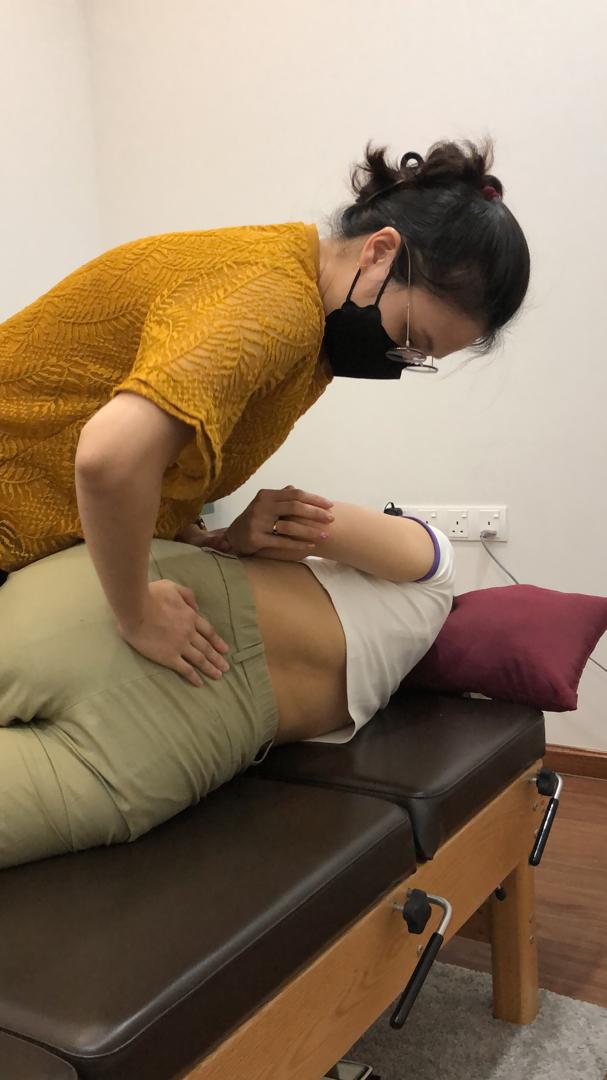
Why Pelvic Misalignment is More Than Just a Backache
Pelvic misalignment during pregnancy creates a cascade of structural consequences that extend well beyond ordinary back discomfort — and understanding this distinction is essential for anyone evaluating pregnancy back pain treatment in Kuala Lumpur.
The pelvis is the structural keystone of pregnancy. As the uterus expands, a forward tilt develops in the lumbar spine to compensate for the shifting center of gravity. This postural compensation increases compressive load on the lumbar vertebrae and sacroiliac joints, producing the deep, persistent ache that many women incorrectly dismiss as a routine pregnancy symptom. What typically happens is that the body continues layering compensation on top of compensation — the hips rotate, the thoracic spine rounds, and the neck strains forward — until the entire postural chain is working against itself.
Symphysis Pubis Dysfunction (SPD) is one of the more debilitating expressions of pelvic instability. When the joint connecting the two halves of the pubic bone becomes hypermobile under the influence of the hormone relaxin, even basic movements like walking, climbing stairs, or turning over in bed can become genuinely painful. A 2018 systematic review found that lumbopelvic pain — which includes SPD — affects a significant proportion of pregnant women and responds meaningfully to structured, hands-on treatment options. Left unaddressed, SPD often worsens into the third trimester.
Pelvic balance also directly influences fetal positioning. When the pelvis sits unevenly, the uterine space becomes asymmetrical, which can restrict the baby's ability to rotate into the optimal head-down position before birth. The American Pregnancy Association has noted that chiropractic care during pregnancy is recognized for "helping to maintain pelvic balance and optimize the baby's positioning" — a clinical outcome that goes far beyond pain relief. Addressing pelvic misalignment today means recognizing that maternal comfort and birth outcomes are more connected than most conventional prenatal care acknowledges.
Symptoms to Watch: SPD and Pelvic Girdle Pain (PGP)
Seek assessment if you experience any of the following during pregnancy:
Sharp or burning pain at the front of the pubic bone, especially when walking or standing on one leg
Pain that radiates into the inner thighs, groin, or lower abdomen
A clicking or grinding sensation in the pelvic region
Worsening discomfort when climbing stairs, turning in bed, or separating the legs (getting in and out of a car)
Lower back pain that does not ease with rest and intensifies by the end of the day
Difficulty with weight-bearing activities that were previously manageable
These symptoms indicate pelvic girdle dysfunction rather than general pregnancy discomfort. Early identification significantly expands the available treatment options before symptoms become limiting.
Understanding why misalignment creates these layered effects sets the foundation for understanding which clinical approaches are built to address them at the source — which is exactly where a technique like the Webster Technique becomes relevant.
The Webster Technique: The Gold Standard for Prenatal Realignment
Addressing pelvic misalignment today requires more than general adjustments — it demands a protocol designed specifically for the pregnant body, and the Webster Technique delivers exactly that.
Developed and defined by the International Chiropractic Pediatric Association (ICPA), the Webster Technique is a specific chiropractic analysis and sacral adjustment designed to improve neuro-biomechanical function in the pelvis during pregnancy. Unlike broad spinal manipulation, it targets the sacrum — the triangular bone at the base of the spine — along with the surrounding ligaments and soft tissues that become stressed as the uterus expands. By restoring balanced tension across the pelvis, the technique enhances neuro-biomechanical function. The International Chiropractic Pediatric Association (ICPA) defines this as a specific sacral analysis and adjustment intended to support pelvic balance and reduce soft tissue restrictions, which may indirectly facilitate better fetal positioning by optimizing uterine space.
The Webster Technique works by addressing the three interconnected structures most compromised during pregnancy:
-
Sacral alignment — correcting posterior rotation that overloads the sacroiliac joints
-
Uterine ligament tension — releasing the round ligaments that pull the uterus asymmetrically when the pelvis shifts
-
Nervous system function — reducing mechanical interference along the lumbosacral nerve roots that govern pelvic floor control and lower limb stability
When evaluating treatment options for pregnancy-related discomfort, certification matters enormously. Only practitioners credentialed through the ICPA should perform the Webster Technique — this is not a general adjustment repurposed for prenatal use, but a distinct clinical protocol requiring specialized training in pregnancy biomechanics and fetal positioning dynamics.
Safety is a common and legitimate concern. In practice, the technique is considered appropriate across the second and third trimesters when applied by a trained provider using a pregnancy-specific table with drop-away abdominal sections. The adjustment forces used are significantly lighter than standard chiropractic techniques, and no direct pressure is applied to the abdomen at any point. For women navigating the compounding structural changes of late pregnancy, this distinction between general and specialized prenatal care is critical — and it is precisely why the clinical tools used alongside this approach, including advanced soft-tissue therapies, deserve equal attention.
Advanced Relief: Tecar Therapy and Manual Interventions
Tecar stands for Transfer of Energy Capacitive and Resistive. It is a non-invasive modality that delivers high-frequency radiofrequency currents deep into soft tissue, generating controlled thermal energy at the cellular level. That deep heat accelerates circulation, reduces inflammatory markers, and supports tissue repair — all without a single pharmaceutical compound. According to the Journal of Physical Therapy Science, Tecar therapy significantly accelerates tissue repair and reduces inflammation through precisely this mechanism, making it particularly relevant for pregnant patients who need to avoid anti-inflammatory medications during sensitive trimesters.
The synergy with manual therapy is where the clinical value compounds. When a Webster Technique KL adjustment corrects pelvic misalignment, the surrounding ligaments and musculature are often still holding residual tension and inflammation. Tecar works on that soft tissue environment directly, reducing recovery time and supporting healing in ways that manual work alone cannot fully address. The adjustment restores alignment; the Tecar calms the tissue responding to that change.
For pregnancy-related pain management in KL, this combination matters enormously. Standard pharmacological options — NSAIDs, muscle relaxants — carry documented risks during pregnancy. A non-invasive, drug-free approach that addresses both the structural and inflammatory dimensions of pelvic pain offers a genuinely safer pathway. And understanding that pathway is the first step — knowing how to support your body at home between sessions is equally important.
Safe Home Strategies: Sleeping and Movement in 2026
Clinical treatment works best when daily habits do not undo the progress made on the table — and for pregnancy-related back and pelvic pain, what you do between sessions matters considerably.
The single most effective positional change you can make is adopting the side-lying sleep position with a pillow placed firmly between your knees. This alignment levels the pelvis, reduces rotational stress on the sacroiliac joints, and prevents the hip-drop that accumulates into significant discomfort by the third trimester. For those managing pubic symphysis pain pregnancy discomfort specifically, a second pillow tucked under the belly provides additional support and reduces the shearing force across the pelvic floor during sleep.
Movement habits deserve equal attention. Two exercises consistently show benefit for pregnancy-related lumbopelvic strain. Pelvic tilts — performed on hands and knees or lying supine — gently activate the deep stabilizers without loading the spine. The cat-cow stretch, moving slowly between lumbar flexion and extension, restores mobility in the thoracolumbar junction where much of the related tension accumulates by week 20 onward. A practical resource for technique guidance is available through prenatal physiotherapy demonstrations that walk through pelvic tilt mechanics in detail.
Asymmetrical loading is a less obvious but equally important factor. Standing on one leg to pull on pants, twisting while lifting, or consistently carrying a bag on one shoulder all create uneven pelvic loading that compounds misalignment between adjustments. Sitting to dress and distributing weight evenly when standing are small corrections that increase protection over weeks.
Home strategies are genuinely valuable — but they have limits. When pain disrupts sleep regularly, when movement becomes restricted rather than merely uncomfortable, or when symptoms do not stabilize within one to two weeks, clinical assessment becomes necessary rather than optional. The next section consolidates these care principles into a practical checklist so you can evaluate your current approach with clarity.
What You Need to Know: The Prenatal Care Checklist
Pregnancy-related back pain and pelvic misalignment are mechanical problems with clinical solutions — and knowing the right options puts you ahead of most expectant mothers in KL.
Pelvic misalignment is not simply a byproduct of pregnancy discomfort. It is a structural issue that responds to targeted intervention, and treating it that way changes outcomes meaningfully. The checklist below distills the most important clinical signals covered throughout this article into five actionable points every pregnant woman in Kepong or greater KL should carry into her next appointment.
-
Recognize the mechanical nature of the problem. Back pain during pregnancy often traces to sacroiliac joint dysfunction and pelvic asymmetry — not soft-tissue fatigue alone. A structural diagnosis opens structural treatment pathways.
-
Ask about the Webster Technique by name. This sacral-balancing protocol, recognized by the International Chiropractic Pediatric Association, is the preferred clinical method for restoring pelvic symmetry during pregnancy.
-
Consider Tecar therapy for deep muscle strain. For persistent Tecar therapy pregnancy pain that does not resolve through adjustments alone, high-frequency tissue treatment offers a non-invasive way to reach deeper layers without compression or discomfort.
-
Start earlier rather than later. Second-trimester intervention consistently prevents the mobility loss and compensatory pain patterns that tend to accumulate through the third trimester.
-
Verify registration with the Malaysian Chiropractic Association. Local registration is a non-negotiable credential — it confirms your provider meets the clinical standards that govern prenatal chiropractic care in Malaysia.
And if any of these points prompt questions about what an actual assessment looks like in practice, that is precisely what the next section addresses.
Frequently Asked Questions About Pregnancy Back Pain
What can relieve back pain during pregnancy?
Relief often comes from a combination of specialized chiropractic care (like the Webster Technique), wearing pelvic support belts, and performing gentle pelvic tilt exercises.
When should I be worried about back pain during pregnancy?
Seek professional advice if the pain is sharp, rhythmic (potentially indicating contractions), accompanied by vaginal bleeding, or if it significantly restricts your ability to walk.
Is it normal to have back pain at 16 weeks pregnant?
Yes. As Relaxin levels rise and your center of gravity shifts, it is common for back pain to begin as early as the second trimester (14–30 weeks).
Choosing Your Prenatal Partner in Kepong and KL
Pelvic alignment is not a finishing touch in prenatal care — it is the foundation that shapes how comfortably you carry, move, and deliver.
Pregnancy-sensitive assessment begins the moment you walk in. Specialized tables with adjustable drop sections and belly cut-outs allow comfortable positioning at every trimester, and all pressure applied during the session remains gentle and precisely controlled. A thorough evaluation checks for pelvic symmetry, ligamentous tension, and sacral positioning — the structural details that determine whether pelvic pain symptoms escalate or resolve before delivery.
Personalized planning matters because no two pregnancies load the pelvis the same way. What tends to work better than a generic adjustment series is a combined approach: technique-specific corrections paired with targeted rehabilitative exercises that reinforce alignment between visits. That combination addresses both the mechanical problem and the surrounding muscle patterns that contribute to recurrence.
Local access carries real clinical weight. A chiropractor in Kepong who prenatal patients can reach easily supports the consistent visit frequency — typically every two to three weeks in the second and third trimesters — that produces measurable outcomes. Reducing travel time removes a practical barrier that causes many expectant mothers to abandon care before completing a full protocol.
And ultimately, prioritizing pelvic health now is an investment in a smoother labor and a faster postpartum recovery. Book a pregnancy-sensitive assessment at Chiropractic House and take the first step toward a more comfortable final trimester.


