
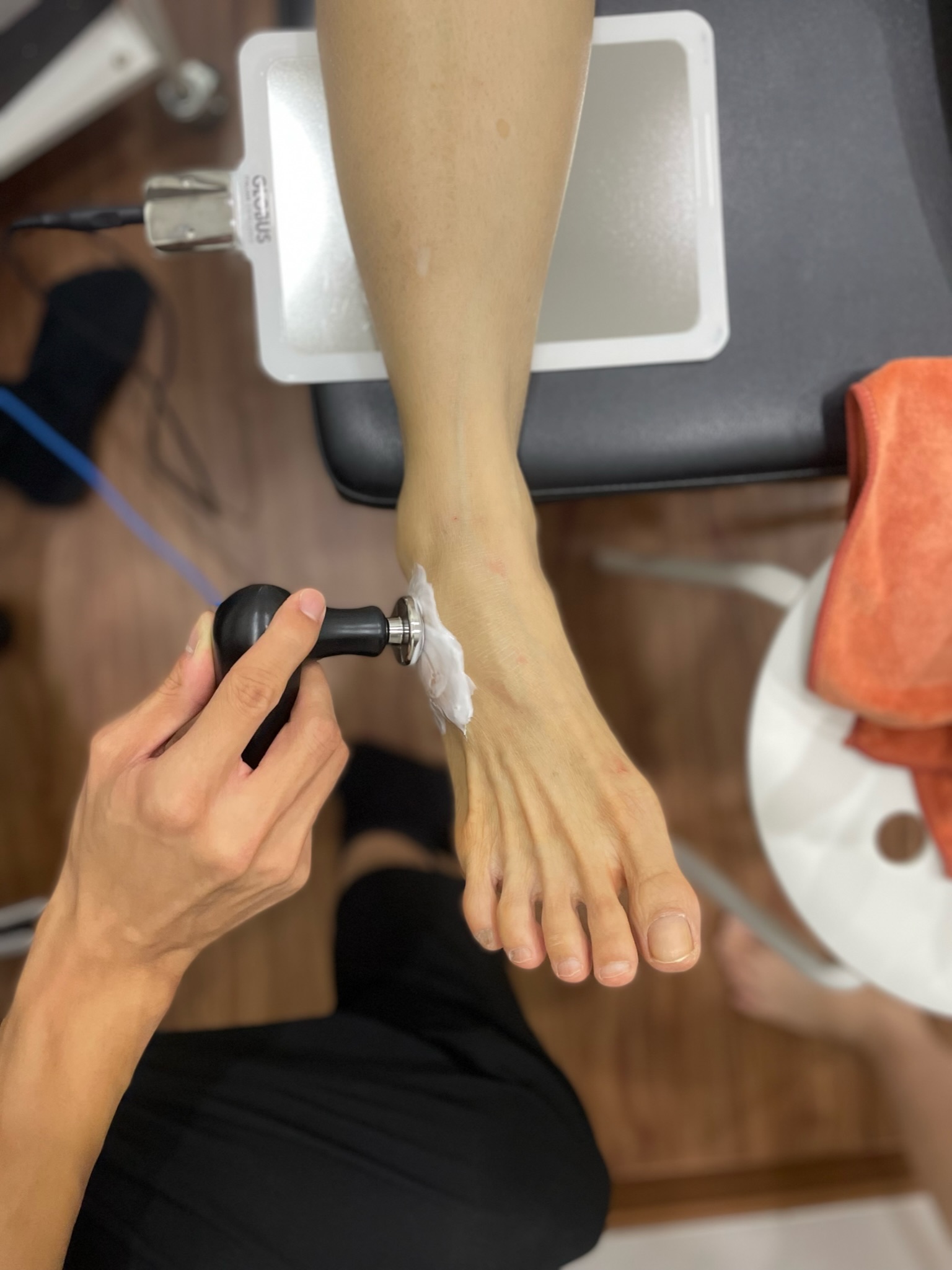
When comparing dry needling vs tecar therapy for sports injuries, athletes and clinicians alike are increasingly asking the same question: which approach actually delivers faster, more complete recovery? The honest answer is that both treatments are evidence-backed, professionally administered modalities — but they work through fundamentally different biological mechanisms, making each one better suited to specific injury types and recovery stages.
Dry needling uses thin monofilament needles to deactivate myofascial trigger points, resetting overactive muscle fibers and restoring neuromuscular function. Tecar therapy, by contrast, delivers high-frequency radiofrequency energy deep into tissue, generating endogenous heat that accelerates cellular repair and reduces inflammation without a single needle in sight. One targets the neuromuscular system with mechanical precision; the other creates the optimal biological environment for tissue healing.
This guide breaks down exactly how each therapy works, what the clinical research says about their effectiveness for common sports injuries, and — most importantly — how to determine which one matches your specific condition. Whether you're managing a chronic hamstring knot, an acute ankle sprain, or stubborn neck tension that won't respond to massage, the comparison ahead gives you the information you need to make a confident, injury-specific decision.
Understanding Advanced Recovery: Key Terminology
When weighing dry needling vs. Tecar therapy for sports injuries, the decision hinges on understanding what each treatment actually does inside your body — not just how it feels on the table. Both are evidence-backed modalities gaining serious traction in professional sports medicine, yet they work through entirely different biological pathways. Before comparing them head-to-head, it helps to speak the language.
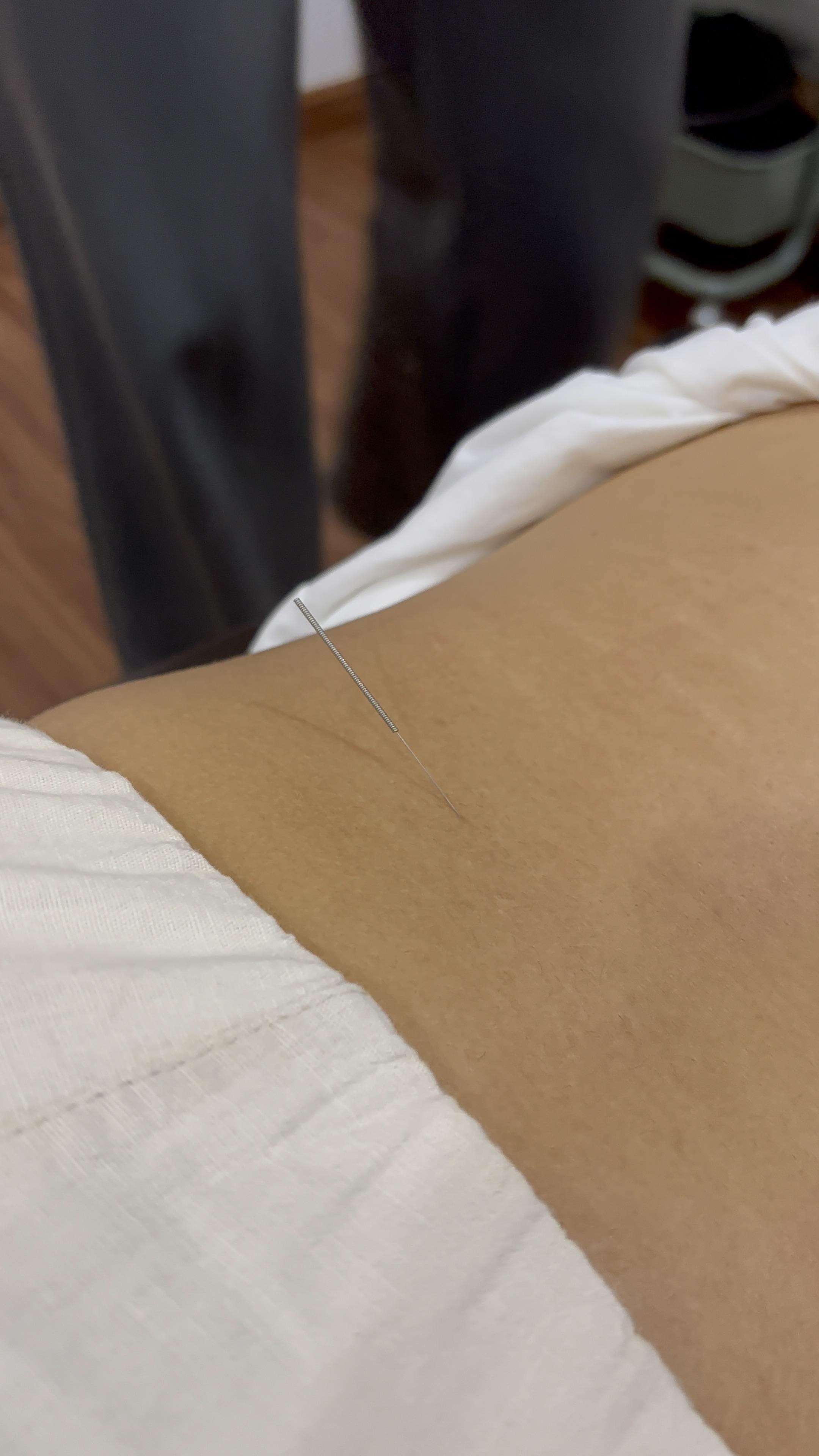
Dry Needling
A technique performed by trained clinicians — including dry needling by a physical therapist or chiropractor — that inserts thin monofilament needles directly into myofascial trigger points to deactivate muscle knots and restore normal neuromuscular function. Athletes searching for dry needling near me are typically looking for exactly this kind of targeted, clinician-administered release.
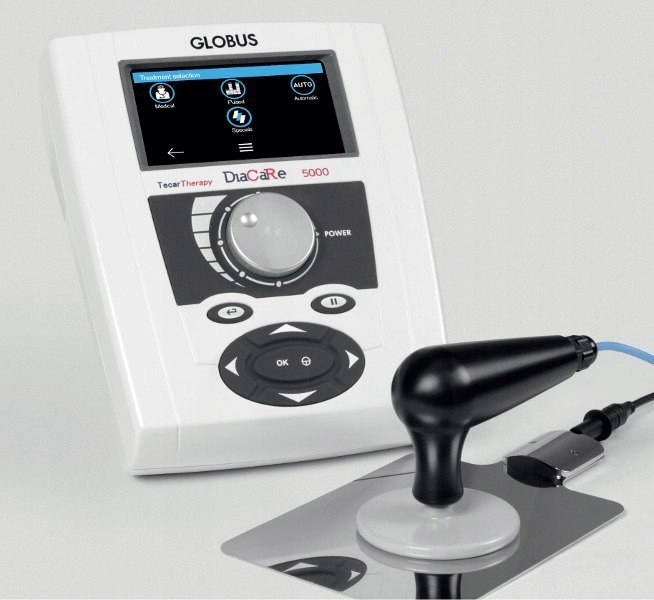
Tecar Therapy
Short for Capacitive and Resistive Electrical Transfer, Tecar is a form of endogenous thermotherapy that delivers high-frequency electrical energy to stimulate the body's own natural tissue repair mechanisms.
Trigger Point
A hyperirritable spot within a taut band of skeletal muscle — often felt as a palpable nodule — that can generate localized pain or referred pain patterns in distant areas of the body.
Local Twitch Response (LTR)
An involuntary, brief muscle contraction elicited during dry needling; according to the Journal of Orthopaedic & Sports Physical Therapy, provoking an LTR is essential for resolving neuromuscular dysfunction and reducing referred pain.
Endogenous Heat
Thermal energy generated within the body's own tissues — as opposed to heat applied externally — allowing Tecar therapy to raise deep tissue temperatures without surface burns or discomfort.
Each term above maps to a fundamentally different recovery mechanism. Understanding these distinctions sets the foundation for making a smart, injury-specific treatment choice — which is exactly what the side-by-side comparison ahead breaks down.
Knowing the mechanism behind each therapy is the first step toward choosing the one that actually matches your injury.
Dry Needling vs Tecar Therapy: A Side-by-Side Comparison
Choosing between these two treatments comes down to the nature of your injury, your pain tolerance, and your recovery timeline. Both are legitimate, evidence-backed options — but they work through entirely different mechanisms and deliver very different experiences on the table.
Dry needling uses thin filiform needles to create mechanical disruption at trigger points, prompting a local twitch response that resets overactive muscle fibers. Tecar therapy, by contrast, delivers radiofrequency energy deep into tissue, raising localized temperature by up to 2–3°C according to the Journal of Orthopaedic & Sports Physical Therapy, which significantly enhances blood flow and accelerates cellular repair — far beyond what a standard heat pack achieves.
|
Feature |
Dry Needling |
Tecar Therapy |
|---|---|---|
|
Mechanism |
Mechanical disruption of trigger points via needle insertion |
Thermal and electrical stimulation via radiofrequency energy |
|
Sensation |
Brief aching, pressure, or muscle twitch — athletes often ask “does dry needling hurt?” and the honest answer is: mild discomfort, not sharp pain |
Pleasant deep warming; non-invasive and generally relaxing |
|
Primary Goal |
Release chronic muscle knots and restore neuromuscular function |
Reduce inflammation, speed tissue metabolism, and promote healing |
|
Ideal Condition |
Chronic neck strain, stubborn trigger points, restricted mobility |
Acute sprains, tendonitis, post-game muscle swelling |
|
Athlete Usage |
Widely used by NFL and professional athletes for rapid neuromuscular reset |
Widely used by professional athletes for accelerated soft-tissue recovery |
|
Invasiveness |
Minimally invasive (needle-based) |
Fully non-invasive; learn more about how radiofrequency energy heals tissue |
|
Session Feel |
Intense but brief; most discomfort resolves within minutes |
Comfortable throughout; often compared to a deep-tissue warm massage |
If you're searching for dry needling near me to address a chronic knot or stubborn neck stiffness that won't respond to massage, dry needling offers targeted, lasting release. However, if you're dealing with a fresh ankle sprain or inflamed tendon and need swelling controlled fast, Tecar's anti-inflammatory edge makes it the stronger first-line choice according to clinical commentary on Tecar's rehabilitation applications.
The right choice depends on whether your priority is resetting dysfunctional muscle tissue or accelerating the healing of acutely inflamed structures — and as the next section reveals, elite athletes are increasingly using both together for maximum effect.
Clinical Efficacy in Sports Injury Rehabilitation
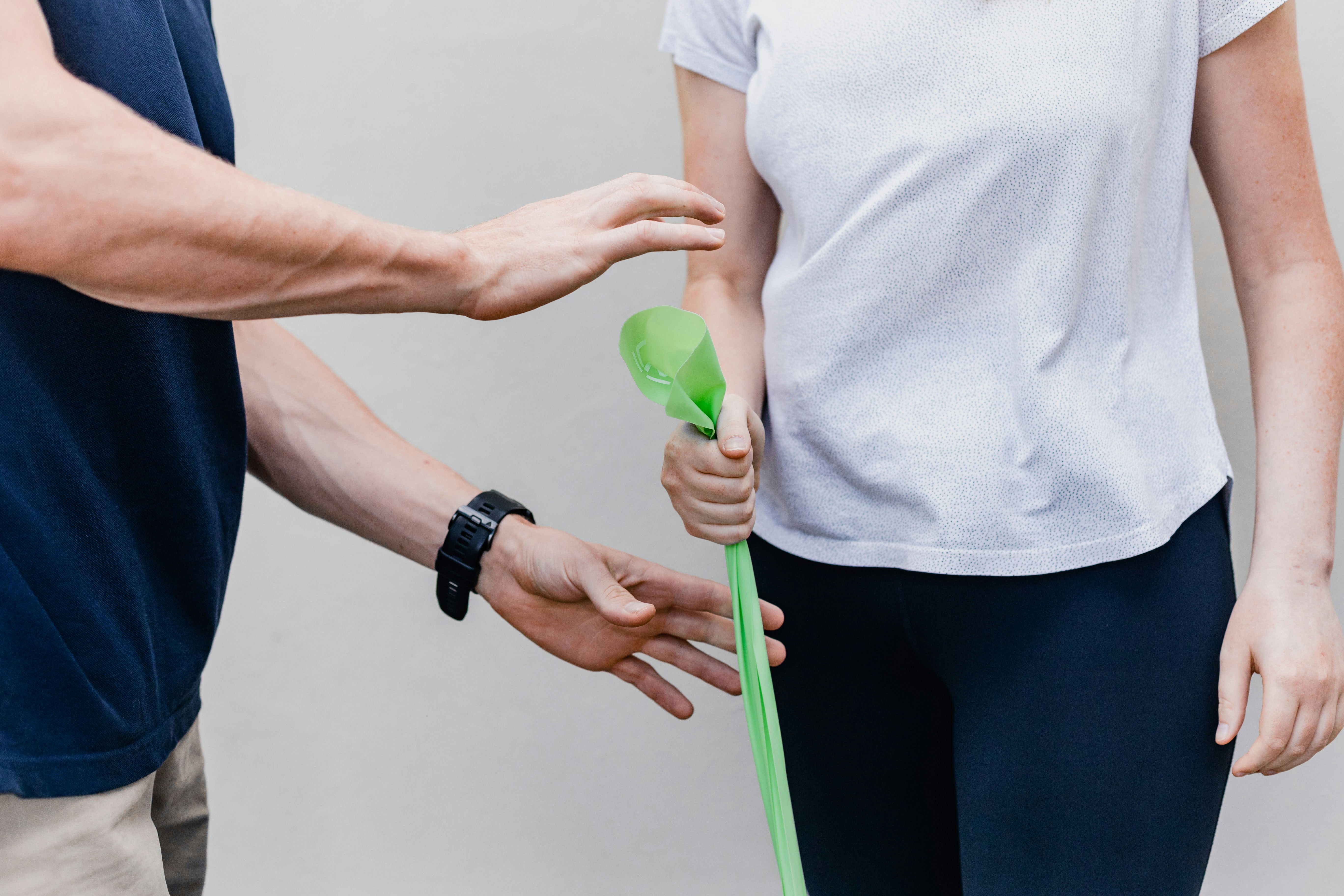
As the previous section established, dry needling and Tecar therapy each occupy a distinct lane in sports recovery. The more pressing question for athletes isn't which treatment is better in theory — it's which one delivers results faster and with less downtime in practice. Dry needling treatments deliver a clear edge for ROM gains and are well-documented at the elite level. According to a systematic review in sports recovery, these treatments significantly improve range of motion and reduce neuromuscular inhibition caused by active trigger points — a primary reason professional athletes prioritize them for muscle-specific complaints like rotator cuff tightness, hamstring strains, and therapy for neck strain. By targeting the precise trigger point, the needle elicits a localized twitch response that resets the motor endplate, restoring muscle length and function rapidly. Tecar therapy accelerates tissue-level repair through a different mechanism entirely. According to the Journal of Orthopaedic & Sports Physical Therapy, Tecar stimulates the body's natural repair processes, reducing recovery time for muscle and tendon injuries by up to 50% in elite athletes. This explains its growing use in professional training rooms for acute soft tissue injuries where pain-free treatment is non-negotiable. > "Tecar therapy acts by stimulating the body's natural repair processes, reducing recovery time for muscle and tendon injuries by up to 50% in elite athletes." — Journal of Orthopaedic & Sports Physical Therapy The pain tolerance factor matters too. Dry needling involves a brief, localized twitch sensation — minor discomfort for a significant mechanical release. Tecar is entirely non-invasive and generates a gentle warmth that most athletes find deeply relaxing. Neither is inherently superior; they address different tissue states. The real clinical advantage emerges when both are sequenced together. Applying Tecar first increases local circulation and softens the tissue matrix, making trigger points more accessible. Dry needling treatments then deliver the final neuromuscular release. This prep-and-release protocol, which you can learn more about through recovery insights on the blog, is increasingly favored by practitioners working with high-volume training loads.
|
Treatment |
Best Injury Type |
Recovery Speed Impact |
Comfort Level |
ROM Benefit |
|---|---|---|---|---|
|
Dry Needling |
Myofascial trigger points, chronic tension, neck/shoulder strain |
Fast neuromuscular reset; results often within 1–3 sessions |
Minor twitch discomfort; tolerated well by most athletes |
High — directly releases restricted muscle fibers |
|
Tecar Therapy |
Acute swelling, tendonitis, ligament injuries |
Up to 50% reduction in muscle/tendon recovery time |
Non-invasive; warm, relaxing sensation |
Moderate — improves via reduced inflammation and tissue mobility |
The data consistently points in the same direction: dry needling treatments excel at neuromuscular specificity, while Tecar accelerates the biological environment for healing. Used together, they compress recovery timelines more effectively than either approach alone — a point the next section will break down into a clear decision framework. If you're managing a sports injury and unsure where to start, the treatment type matters less than matching the right modality to your specific tissue state.
The Bottom Line: Which Treatment Should You Choose?
After weighing the clinical evidence and practical differences, the decision between these two therapies ultimately comes down to your specific injury profile and recovery goals.
****Choosing dry needling treatments makes the most sense when you're dealing with stubborn muscle "knots," chronic tension, or localized myofascial pain. Research published in the Journal of Orthopaedic & Sports Physical Therapy confirms dry needling significantly outperforms sham treatments for reducing pain intensity at trigger points — making it the sharper tool for neuromuscular dysfunction.
Choose Tecar Therapy when the priority is reducing acute swelling, managing tendonitis, or accessing a pain-free, deeply relaxing treatment. Its ability to stimulate cellular repair without discomfort makes it especially well-suited for athletes in the early or mid-stages of tissue recovery, as supported by clinical commentary on Tecar's rehabilitation applications.
In practice, the most effective outcomes rarely come from a single modality. Clinics that integrate both — a multimodal approach — can address pain at the neuromuscular level while simultaneously accelerating tissue repair. If you're exploring combined therapy options in KL, a specialist assessment is the logical first step to determine the right ratio of each treatment for your condition.
Key Takeaways:
-
Dry needling targets trigger points and chronic muscular tension with precision.
-
Tecar therapy excels at reducing inflammation and supporting pain-free tissue healing.
-
Both therapies are evidence-backed and complement each other in a multimodal plan.
-
Your injury type, pain tolerance, and recovery stage should guide the choice.
-
A qualified specialist can build a protocol that combines both for faster, more complete recovery.
The smartest move isn't picking one therapy over the other — it's consulting a specialist who can prescribe the right combination for your body.


